

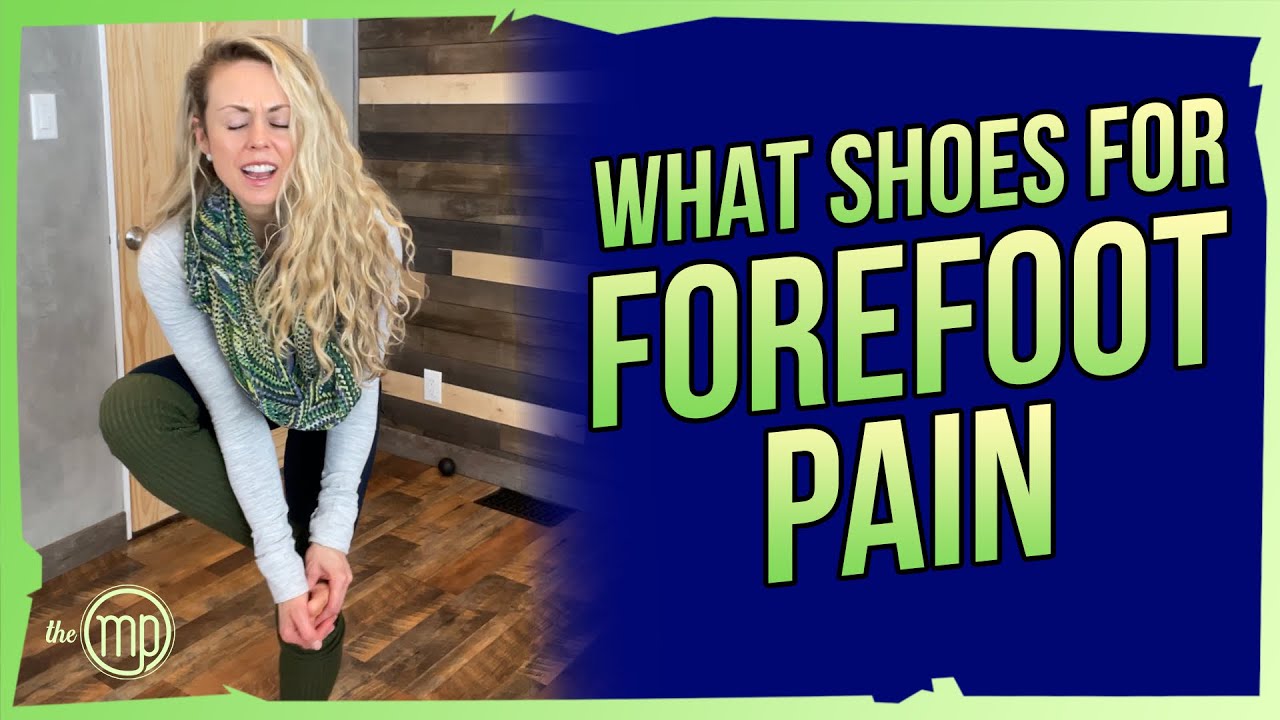
Do you have forefoot pain or pathology, and you’re not really sure what shoe you should be wearing?
There are numerous foot pathologies that you could have; however, we are going to focus just on a few today, such as bunions, first metatarsal joint arthritis, neuromas, and plantar plate tears.
Before we get into details about each, let’s just go over some quick anatomy.
The forefoot includes the phalanges (toes), the five metatarsals, and the connective tissue.
Common Forefoot Conditions and the Right Shoe Features
Now, let’s jump right into our foot pathologies and what feature in the shoe you should be looking for to accommodate your pain.
1. 1st MPJ arthritis
The 1st metatarsal phalangeal joint is also referred to as the great toe. This is caused by the joint jamming too early in the gait cycle or an inflammatory reaction.
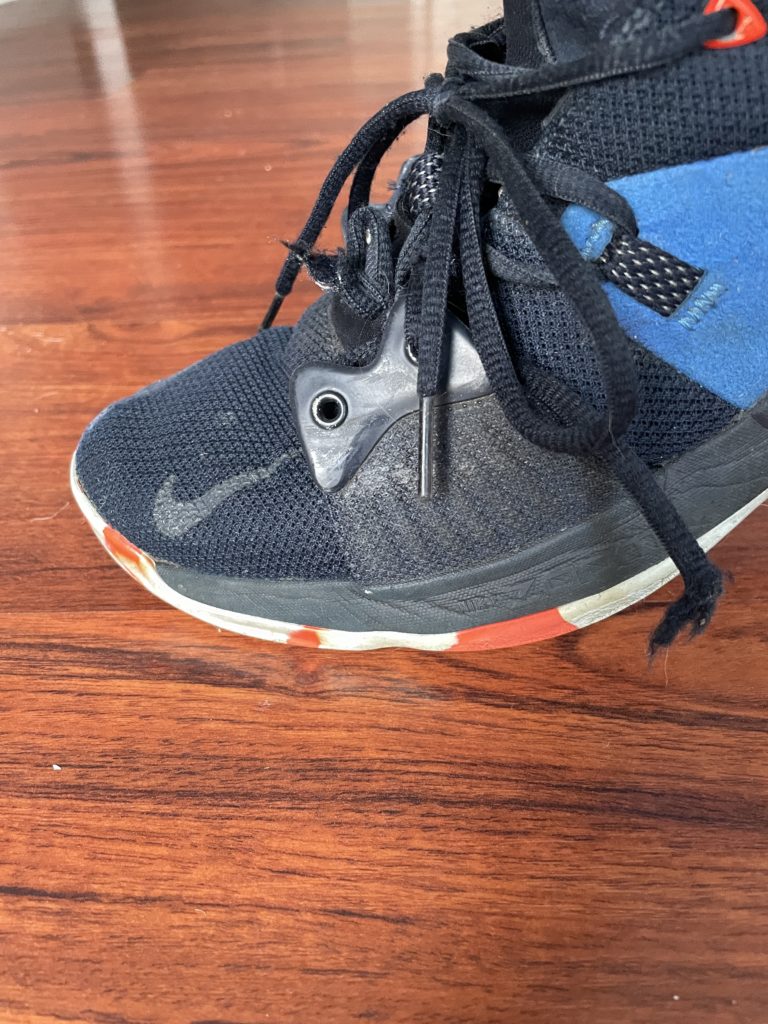
If you have arthritis in this toe and it is either painful or limited in mobility, then the most important feature for your shoe will be a more rigid midsole. Secondly, you’ll want a wide toe box so that you have room for your toes to splay properly.
2. Bunion
A bunion occurs when we lose stability in the metatarsal cuneiform joint (first ray). The first metatarsal will swing out and create a valgus position on the great toe.
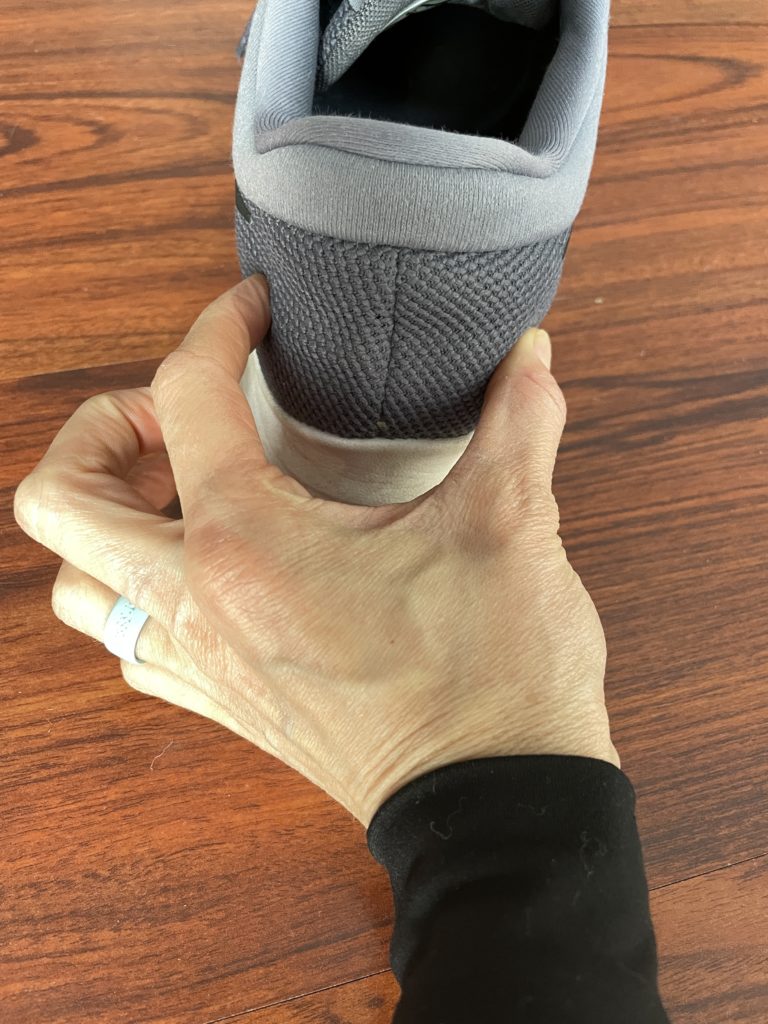
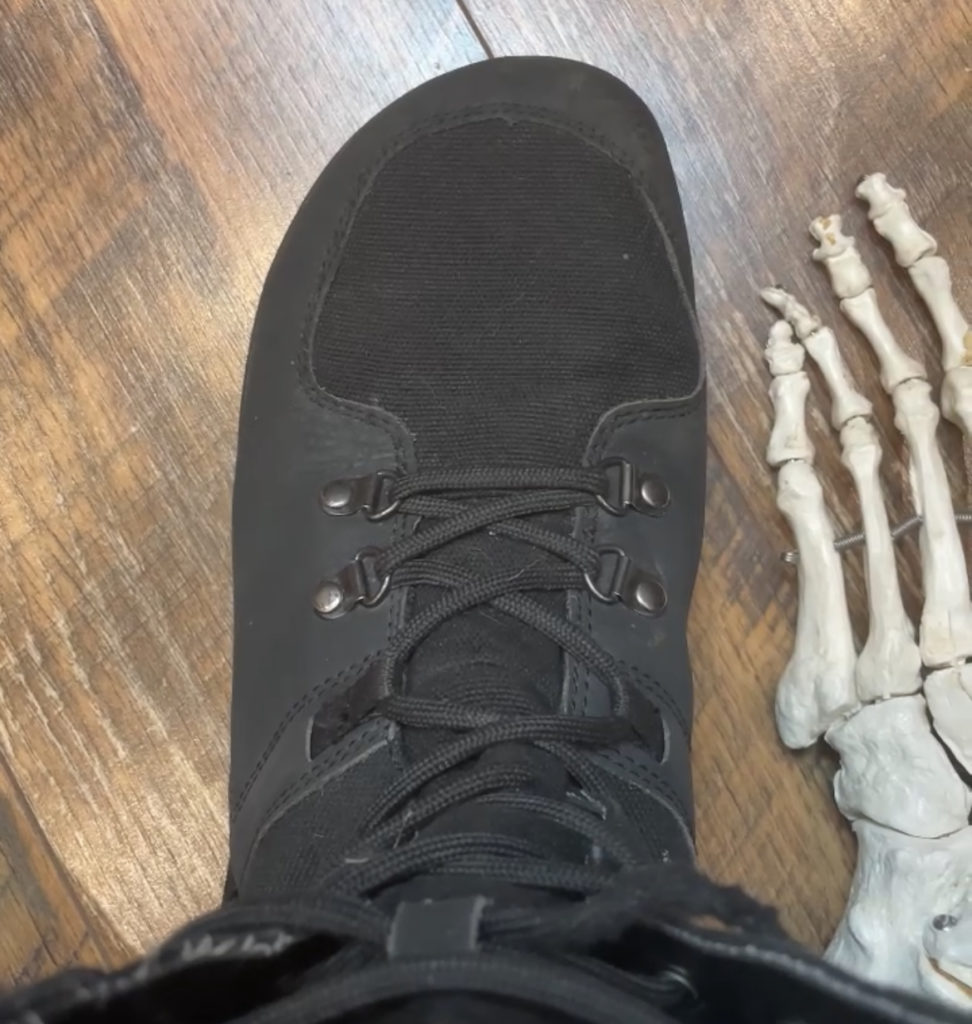
With a bunion, you definitely want a wide toe box. Because a bunion is caused by a lack of stability in the 1st ray, this often indicates that the foot is likely an unstable, everted foot type. In this case, a stiff heel counter in the back of the shoe will help control the foot so that it does not overpronate.
3. Neuroma
A neuroma is a scarred or fibrotic nerve, often between the third and the fourth metatarsal. The nerve rubs on the fascial tissue and then becomes fibrotic. This typically occurs from a loss of stability in the foot and/or compression in footwear, among other things, such as injury.
What will be most important with acute symptoms of a neuroma will be a stiff midsole. If the midsole is flexible, and you have an active, painful neuroma, you will continually compress the nerves at toe-off in your gait. So when your foot is more irritated, a stiffer midsole with a wide toe box will be most beneficial.
4. Plantar plate tear
The plantar plate is an extension of the plantar fascia that runs horizontally across the joints. A plantar plate tear can be very painful, and you’ll want to immobilize the tissue for a period of time.
In this case, once again, you’ll want something more rigid in the midsole. During an acute injury, you will want to immobilize the tissue for a period of time, therefore utilizing the rigid midsole.
When to Consider a Rocker Bottom Shoe
In certain circumstances, depending on the level of forefoot pain and pathology and how it’s affecting your quality of life, a forefoot rocker is frequently recommended.
If someone has advanced great toe arthritis, whether it’s fused or a fusion surgery has been performed, a rocker bottom shoe can be very helpful. It can be added to the shoe, or there are actually shoes that you can purchase with this specific feature.
The Cushion Myth: More Isn’t Always Better
Now for your bonus! The more cushion you have in your shoe, the more impact force you will have through your body. Picture yourself walking outside barefoot. Imagine how you would walk: your pace, your intention, your impact. Now picture yourself doing the same walk in high cushioned shoes. Think about the difference in how you would interact with the ground. You will strike the ground much harder because you do not have the same sensory input that you would have if you were walking barefoot.
When pain is affecting your quality of life, shoes can be part of the solution rather than part of the problem.
Schedule a 20-minute virtual discovery session or text 302-635-9220 to schedule. We’d love to help you get healthy again!
Make sure to subscribe to our YouTube channel for weekly tips on mindset, nutrition, and movement, and share with anyone you think may need this.


