
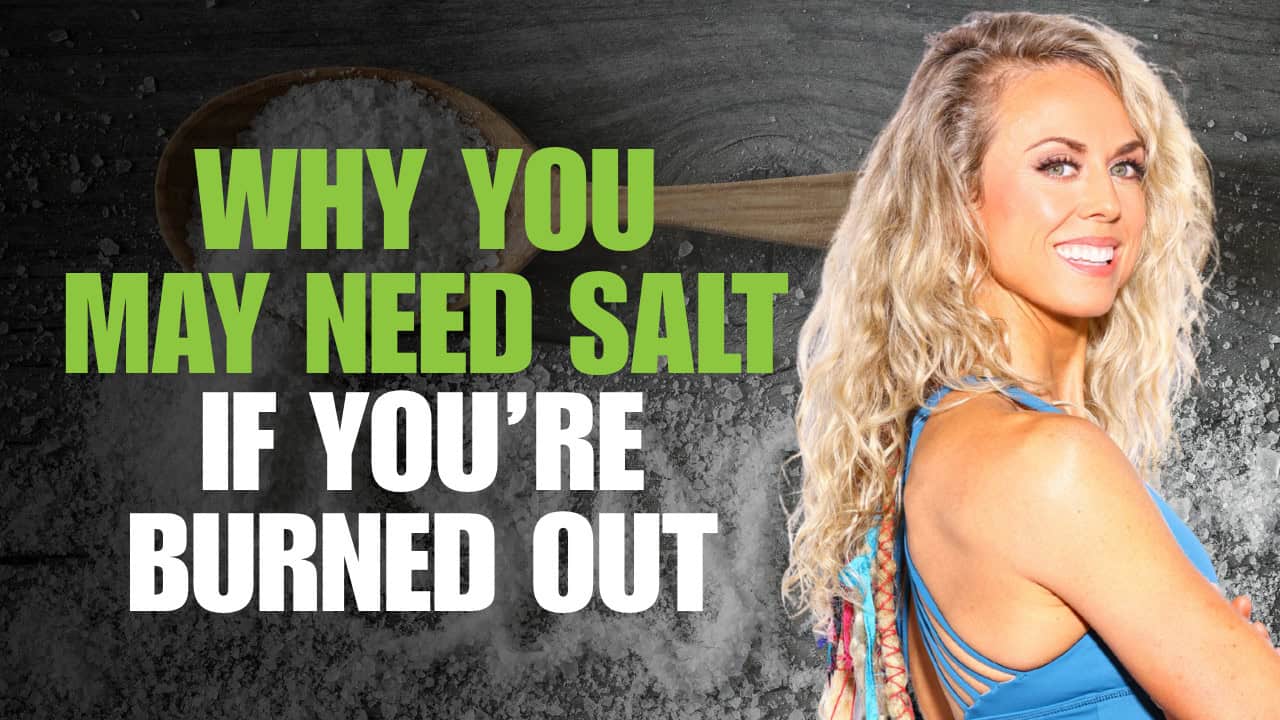
Have you ever felt burned out, tired, foggy, or wired but tired? Have you ever felt like no matter how much water you drink, you still do not feel hydrated?
Stress may not be the only reason. Your mineral status may also play a role. One important mineral that is often overlooked is sodium.
Salt is not a cure for burnout. Burnout is complex and can involve the nervous system, hormone imbalances, sleep disturbances, inflammation, blood sugar dysregulation, nutrition, emotional stress, and many other factors. However, sodium is one of the foundational pieces that is often overlooked and may be necessary when supporting recovery from burnout.
Rather watch or listen?

Why Salt Matters for Stress and Recovery
Sodium is an essential electrolyte. Your body needs it for fluid balance, blood volume, nerve signaling, muscle contraction, and adrenal hormone regulation.
Certain situations can increase your sodium needs. These may include chronic stress, intense training, sweating, lower carbohydrate intake, drinking large amounts of water, and avoiding processed foods.
Low sodium levels or reduced blood volume can place additional demands on the body. When this happens, the body activates compensatory mechanisms to help maintain blood pressure and circulation.
One of the main systems involved is the renin-angiotensin-aldosterone system, often called the RAAS. This system helps the body hold on to sodium and water to support circulation and blood pressure.
When the body is constantly compensating, it can add more demand to an already stressed system.
How Sodium Supports Hydration and Blood Volume
Poor hydration or inadequate sodium intake may contribute to feelings of depletion, especially in people who already feel burned out, anxious, dizzy, or stuck in survival mode.
Many people assume hydration is simply about drinking more water. However, hydration involves both water and minerals.
Sodium helps water stay where it needs to be. This includes your cells, blood volume, and tissues.
This may explain why some people feel worse when they continue drinking large amounts of plain water. Without adequate minerals, hydration may remain incomplete.
Salt Cravings and What Your Body May Be Telling You
Salt cravings are not simply a matter of willpower.
The body has a real physiological drive for sodium. When sodium levels become depleted, the body can influence hormones and brain regions involved in motivation, reward, thirst, and appetite.
This is one reason salty foods can feel especially satisfying when your body needs sodium. The body is constantly working to protect and support itself.
Signs You May Need More Electrolytes
Some common signs that it may be worth evaluating your sodium and electrolyte intake include:
- Fatigue
- Brain fog
- Headaches
- Muscle cramps
- Salt cravings
- Lightheadedness when standing
- Low blood pressure
- Feeling worse after drinking plain water
- Feeling depleted after sweating
These signs do not automatically mean sodium deficiency is the cause. They may indicate that hydration and electrolyte balance deserve closer attention.
When to Be Careful With Sodium Intake
More sodium is not appropriate for everyone. Context always matters.
If you have high blood pressure, discuss your salt intake with your healthcare provider.
You should also speak with your provider if you have:
- Kidney disease
- Heart failure
- Diuretic use
- Blood pressure medications
- Any medical condition that may affect sodium balance
Practical Ways to Support Hydration
For many active, healthy, stressed, or depleted individuals, adding mineral-rich salt to meals may be helpful.
Electrolytes may also be useful during situations that increase fluid and mineral loss, including:
- Sweating
- Exercise
- Sauna use
- Travel
- Hot weather
This is often one of the foundational recommendations when supporting people experiencing stage three stress or burnout.
The Key Takeaway for Burnout Recovery
When you feel burned out, the answer is not always to push harder, drink more coffee, or simply drink more water.
Sometimes the body is asking for basic physiological support. Minerals, hydration, blood volume, nervous system regulation, sleep, nutrition, and recovery all play important roles.
Salt is not the entire solution. However, it may be one missing foundation.
Many people notice improvement within the first few days of using electrolytes appropriately because the nervous system does not operate in isolation. The brain, adrenals, blood pressure, muscles, and hydration status are all connected.
The next time you feel depleted, lightheaded, foggy, or feel like water alone is not helping, consider whether hydration quality may be part of the picture.
You may not simply need more water. You may need better hydration.
Hydration starts with minerals.
Next Steps
If you found this helpful, please give it a like, share it, and subscribe to our YouTube channel, the Movement Paradigm, for weekly tips on mindset, nutrition, and movement. Our goal is to help you live your best life, heal, transform, and, more importantly, thrive.
Join Our Community
You can always join us in our app, the Movement Paradigm. Download it from Google or the App Store. We have lots of challenges every other month. Everything from movement to the nervous system, nutrition, and so on. And we have a great community of people.
You can also reach out to us for an individual appointment for functional medicine or holistic physical therapy. If you really want to get to the root cause, please reach out to us.
Other things that might interest you:


